
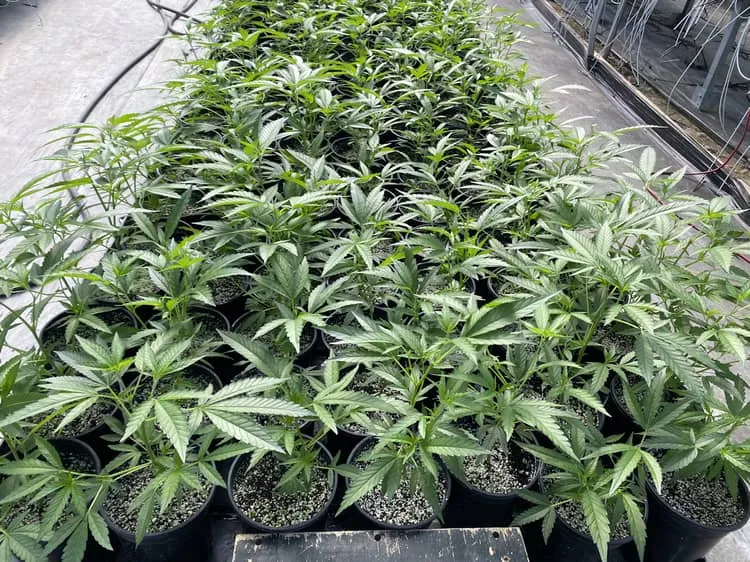
Ordering a living cannabis plant differs from buying an ordinary gardening product. Genetics, root development, nursery conditions, packaging, transit, and the receiving environment can all affect it. For growers planning to Buy Cannabis Clones Online, the best approach is to compare suppliers through a practical checklist rather than choosing only by strain name or price. This review clarifies what will arrive and whether it fits the intended space.
Confirm What Type of Plant Is Being Offered
The first step is to identify the exact product. A rooted clone, an unrooted cutting, a teen plant, and a seed are not interchangeable. Each begins at a different stage. A rooted clone has developed a basic root system, while a teen is more established and may need more room. With an unrooted cutting, the buyer must complete rooting.
Clear listings for Cannabis Plants for Sale should explain the plant’s approximate height, container type, rooting stage, and expected condition at fulfillment. Buyers should not have to guess whether the photograph represents the actual size range or merely a mature example. This information allows them to prepare containers, lighting, and space before delivery.
Examine the Seller’s Plant-Health Standards
Healthy foliage is important, but the roots deserve equal attention. A clone can appear green while still being poorly established below the surface. A dependable nursery should inspect the root area, stem strength, leaf condition, and active growth before releasing a plant. Buyers can ask whether plants are screened for visible pests, webbing, unusual spotting, stem damage, or weak rooting.
No nursery can promise that every leaf will remain perfect during transport, because living plants respond to handling and environmental change. However, the seller should have a consistent standard for deciding which plants are ready. Severe wilting, widespread discoloration, unstable containers, or obvious pest activity should be addressed before fulfillment rather than left for the customer to manage.
Review Genetic Information Carefully
One of the main reasons growers choose clones is genetic predictability. A clone should carry the genetic profile of its mother plant, but that benefit depends on accurate labeling and reliable mother stock. The product page should identify the strain clearly and, where relevant, explain whether the cutting came from a verified female plant.
Useful strain information includes general growth structure, typical flowering time, likely stretch, and broad suitability for indoor, greenhouse, or outdoor environments. These descriptions should be treated as planning guidance rather than guarantees. Light intensity, container size, nutrition, temperature, humidity, and daily care still influence how the plant develops.
Compare Packaging and Delivery Procedures
A strong plant can still be damaged by weak packaging. Containers should remain upright, stems should be protected from crushing, and foliage should have enough space to avoid excessive bending. The seller should explain how living plants are secured and whether fulfillment may be delayed during unsafe temperatures.
The buyer also has responsibilities. Someone should be available to receive the package promptly. A plant should not remain on a doorstep, inside a hot delivery box, or in a parked vehicle. Before ordering, the grower should prepare a clean receiving area where the plant can be unpacked, photographed, and inspected away from an established garden.
Understand the Arrival and Acclimation Process
Nursery conditions may be very different from the buyer’s environment. A clone raised under moderate lighting and controlled humidity may react badly if placed immediately beneath a powerful fixture or in intense outdoor sun. A gradual transition usually gives the plant time to adjust while the grower watches leaf posture, moisture use, and new growth.
Watering should be based on the actual condition of the growing medium. The container may arrive wet, dry, or somewhere between, depending on plant size and transit time. Automatically watering on delivery can create problems if the root zone is already saturated. Heavy feeding should also be avoided until the buyer understands the plant’s previous routine and its response to the new setting.
Read Customer Service and Replacement Policies
Live-plant policies often include a short reporting window. Buyers should know how quickly damage, shortages, or serious health concerns must be reported and what evidence is required. Photographs of the package, container, label, and plant condition can make communication clearer.
Reliable customer service is not limited to handling complaints. A knowledgeable supplier should be able to answer reasonable questions about available varieties, expected size, fulfillment timing, and basic arrival care. Honest limitations are more valuable than exaggerated promises. If a seller guarantees identical results in every environment, buyers should be cautious.
Compare Total Value Instead of Price Alone
The lowest price does not always represent the best value. Root development, verified genetics, accurate labels, plant size, packaging, fulfillment speed, and customer support all contribute to the true cost of the purchase. A slightly more expensive clone may be the better option if it arrives well rooted and correctly prepared.
For larger orders, buyers should request written details about quantities, size consistency, lead times, delivery fees, and minimum requirements. This reduces confusion when live inventory changes. It also helps commercial growers plan staffing, space, and intake procedures more accurately.
Verify Legal and Property Requirements
Cannabis possession, delivery, transfer, and cultivation rules vary by state and local jurisdiction. Buyers should check current official information rather than relying only on a seller’s general statement. Age restrictions, plant limits, medical requirements, commercial licensing, visibility rules, and property agreements may all affect whether an order is lawful.
Renters and residents of managed communities should also review lease or association terms. A purchase that is allowed under state law may still conflict with private property rules. Legal verification should happen before payment, not after the plants arrive.
Final Thoughts
A strong online purchase begins with questions. Buyers should confirm the product type, inspect the supplier’s health standards, review genetic information, understand packaging, and prepare an acclimation plan. They should also read policies, compare total value, and verify all applicable rules. This approach does not remove every risk associated with living plants, but it reduces avoidable surprises and creates a more stable beginning for the garden.
Keeping the order confirmation, plant label, photographs, and care instructions together helps the grower track changes and communicate clearly if support is needed.
